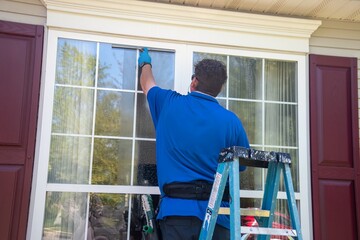
Window cleaning services play an essential role in maintaining the appearance, cleanliness, and overall condition of residential and commercial properties. Clean windows improve natural lighting, enhance curb appeal, and contribute to a healthier indoor environment. While many property owners attempt basic cleaning on their own, professional window cleaning services provide a higher level of precision, safety, and efficiency that delivers long-lasting results.
Over time, windows accumulate dirt, dust, hard water stains, pollen, mineral deposits, and environmental debris that can reduce visibility and negatively affect the appearance of a property. Without proper maintenance, contaminants may even cause permanent damage to glass surfaces and window frames. Professional window cleaning helps preserve the quality of windows while improving the comfort and visual appeal of indoor and outdoor spaces.
As more homeowners and businesses prioritize property maintenance and presentation, window cleaning services continue to grow in demand across residential, commercial, and industrial sectors.
The Importance of Professional Window Cleaning
Clean windows do much more than improve aesthetics. They also contribute to property maintenance, energy efficiency, and occupant comfort. Natural sunlight can brighten interior spaces, improve mood, and create a more inviting atmosphere, but dirty windows limit the amount of light entering a building.
Professional window cleaning services use specialized tools, equipment, and cleaning solutions designed to remove stubborn contaminants without damaging the glass. Unlike basic household cleaning methods, professional techniques help eliminate streaks, residue, and hard water buildup while protecting delicate window materials.
Property owners often underestimate how quickly dirt and pollutants can affect windows. Environmental exposure from rain, dust, pollution, and debris can gradually deteriorate glass surfaces if contaminants are not removed regularly. Professional cleaning helps extend the lifespan of windows by preventing corrosion, scratching, and mineral etching.
There are several major advantages associated with hiring professional window cleaning services:
- Improved property appearance and curb appeal
- Increased natural light inside the building
- Prevention of long-term glass damage
- Safer cleaning for high or hard-to-reach windows
- Enhanced indoor comfort and visibility
Regular maintenance helps windows remain clear, attractive, and functional throughout the year.
Residential Window Cleaning Services
Residential window cleaning services are designed to help homeowners maintain clean and polished windows both inside and outside the home. Dirty windows can make even a well-maintained property appear neglected, while spotless windows contribute to a brighter and more welcoming environment.
Professional residential window cleaners often service a wide variety of window styles, including sliding windows, double-hung windows, skylights, picture windows, and specialty glass installations. They use professional-grade tools such as water-fed poles, squeegees, microfiber cloths, and purified water systems to achieve streak-free results.
Many homeowners choose recurring window cleaning schedules to keep their properties consistently maintained. Seasonal cleaning is especially important because changing weather conditions can increase dirt accumulation and water spotting.
Window cleaning professionals may also inspect windows during service appointments and identify issues such as damaged seals, cracked glass, mold growth, or deteriorating frames. Early detection allows homeowners to address maintenance concerns before they become costly repairs.
In addition to improving appearance, clean residential windows can positively affect the overall atmosphere inside a home. Increased natural light often makes rooms feel larger, fresher, and more comfortable for daily living.
Commercial Window Cleaning and Business Presentation
Commercial window cleaning services are critical for businesses that want to maintain a professional image and create positive first impressions for customers, clients, and employees. Clean windows communicate professionalism, attention to detail, and cleanliness, all of which can influence customer perception.
Office buildings, retail stores, restaurants, and other commercial facilities often have large glass surfaces that require routine maintenance. Professional commercial window cleaners are trained to handle high-rise buildings, multi-story structures, and complex window systems using specialized safety equipment and cleaning techniques.
Businesses benefit from regular commercial window cleaning in several ways:
- Enhanced professional appearance
- Improved employee productivity through natural lighting
- Better customer impressions and satisfaction
- Protection of expensive glass installations
- Reduced long-term maintenance costs
Clean windows can also contribute to employee morale by creating a brighter and more pleasant working environment. Natural light exposure has been associated with improved focus, comfort, and workplace satisfaction.
Commercial window cleaning schedules are often customized based on building size, environmental exposure, and business operations. High-traffic commercial properties may require more frequent service to maintain a polished appearance year-round.
Specialized Techniques Used in Window Cleaning Services
Modern window cleaning services use advanced methods and equipment to achieve high-quality results efficiently and safely. Professional cleaners understand that different types of windows and environmental conditions require specialized approaches.
One commonly used method is purified water cleaning, which removes minerals and impurities from water before application. This process prevents spotting and streaking while leaving windows crystal clear after drying naturally.
Water-fed pole systems allow technicians to safely clean high windows from ground level without using ladders in certain situations. These systems improve efficiency while reducing safety risks associated with elevated work.
Professional cleaners may also use eco-friendly cleaning solutions designed to remove dirt and stains without introducing harsh chemicals into the environment. Many property owners appreciate environmentally responsible cleaning methods that are safe for landscaping, pets, and occupants.
Hard water stain removal is another specialized service offered by many window cleaning professionals. Mineral deposits caused by sprinkler systems, rainwater, and environmental contaminants can permanently damage glass if left untreated. Specialized restoration techniques help remove stubborn stains and restore window clarity.
Safety and Professional Expertise in Window Cleaning
Safety is one of the most important reasons property owners hire professional window cleaning services. Cleaning high or difficult-to-access windows can be dangerous without proper equipment, training, and experience.
Professional window cleaners follow strict safety procedures and use harnesses, stabilizers, ladders, lifts, and protective gear when working at elevated heights. Their training helps reduce the risk of accidents while ensuring efficient service delivery.
Attempting to clean high windows without proper equipment can result in falls, injuries, or property damage. Professional technicians are equipped to manage these risks while completing the job thoroughly and safely.
Experienced window cleaners also understand how to work with delicate glass materials, specialty coatings, tinted windows, and custom installations. Using improper tools or abrasive cleaning methods can scratch or damage glass surfaces, leading to expensive repairs or replacements.
Choosing the Right Window Cleaning Services
Selecting a reliable window cleaning company is essential for achieving quality results and protecting property investments. Homeowners and businesses should evaluate experience, customer reviews, licensing, insurance coverage, and service offerings before hiring a provider.
A reputable company typically provides clear pricing, detailed service descriptions, and flexible scheduling options. Many professional cleaners also offer additional exterior maintenance services such as gutter cleaning, pressure washing, and screen cleaning.
When comparing window cleaning services, property owners should consider several factors:
- Experience and professional training
- Safety practices and insurance coverage
- Equipment and cleaning techniques used
- Customer satisfaction and reliability
- Availability of recurring maintenance plans
Professional window cleaning services provide long-term value by improving property appearance, protecting glass surfaces, and creating cleaner indoor environments. Whether for residential homes or commercial buildings, regular window maintenance helps preserve property quality while enhancing comfort, visibility, and curb appeal throughout the year.